
Signs You Need an Electrician in Your Twin Cities Home

Key Takeaways
- Recognize the Warning Signs: Flickering lights, warm outlets, burning smells, and buzzing are clear signs you need an electrician.
- Use the Triage Guide: Learn when to troubleshoot, when to call a professional electrician, and when to evacuate and dial 911.
- Minnesota Rules Matter: Minnesota homeowners must follow strict electrical permitting rules enforced by the state.
- Upgrade to Protect Your Home: Replacing old panels and installing modern tamper-resistant outlets saves lives and boosts home value.
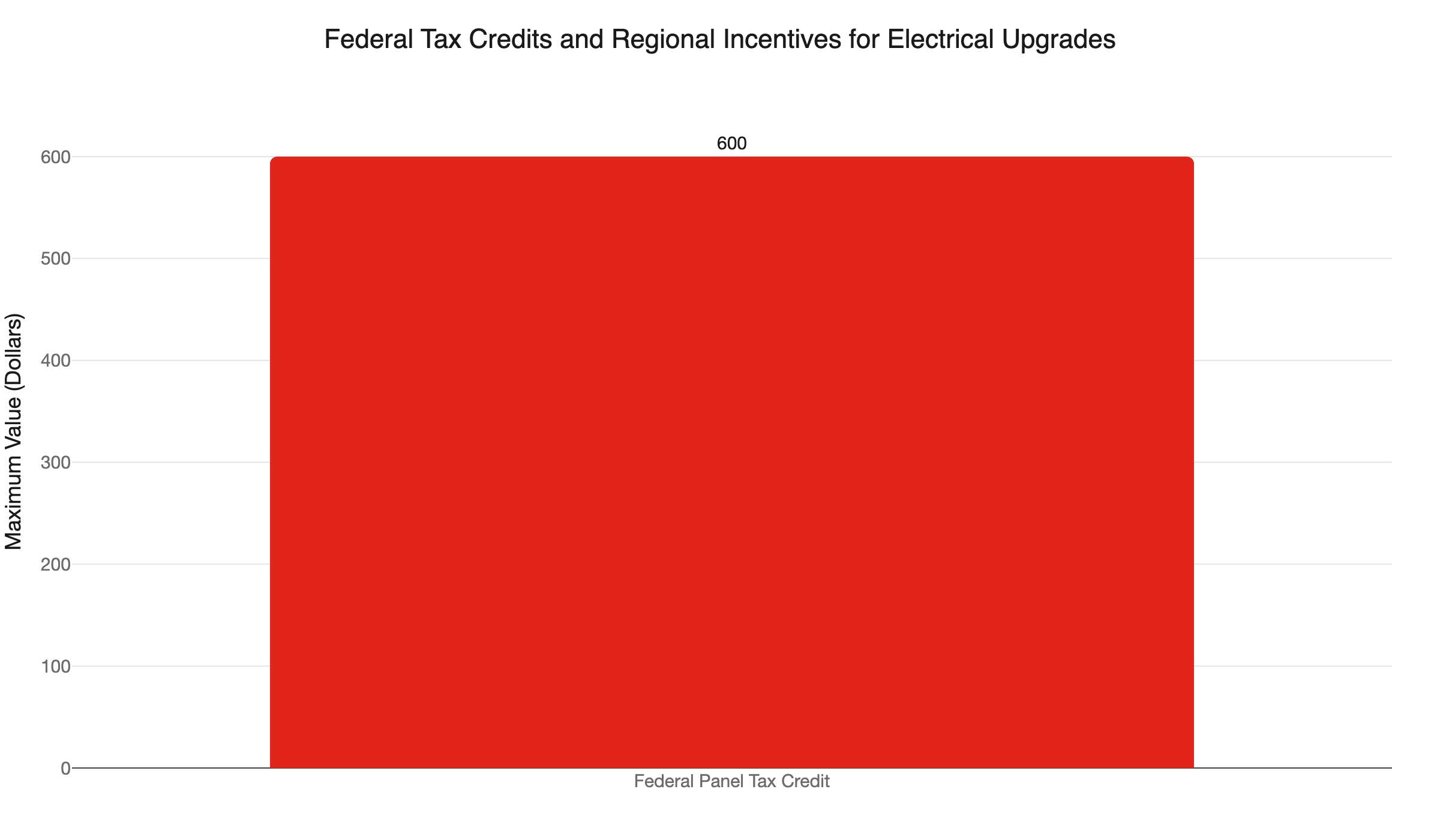
- Financial Help Is Available: You can claim federal tax credits up to $600 for qualifying electrical panel and circuit upgrades.
What Are the Immediate Signs You Need an Electrician?
Are you wondering if your home electrical system is safe? The most common signs you need an electrician include flickering lights, warm-to-the-touch outlets, buzzing noises behind your walls, frequently tripping circuit breakers, and ungrounded two-prong outlets. Experiencing any of these issues means your electrical system is under strain and requires professional inspection.
Your home electrical system keeps your daily life running smoothly. It powers your appliances, charges your devices, and keeps your lights shining. Yet, many homeowners in Minneapolis and Saint Paul ignore the quiet warning signs of electrical trouble. Keeping an eye on your electrical components protects your family and keeps your property safe.
We are a locally owned and operated Twin Cities residential electrical contractor. We know exactly how Minnesota weather and historic home designs affect your wiring. In this guide, we will help you identify the critical signs you need an electrician, lay out a clear home safety triage plan, and explain key local permit requirements.
Is It Urgent? Your Electrical Triage Guide
How do you know when an electrical issue is a minor nuisance or an immediate fire hazard? Many online guides tell you to call an expensive specialist for every minor blink. Others encourage dangerous DIY habits that violate safety codes.
Use this simple triage guide to check your symptoms and decide on the safest path forward.
| Symptom | Severity | Action to Take |
|---|---|---|
| Two-prong outlets (No ground wire) | Low / Planned Action | DIY: Do not use cheater adapters. Call Now: Schedule an electrician to upgrade key rooms to grounded three-prong outlets or install GFCI protection. |
| Frequent breaker trips (Happens when using microwave or hair dryer) | Moderate | DIY: Unplug other appliances on that circuit. Call Now: Contact an electrician to install a dedicated circuit or inspect for an overloaded panel. |
| Warm outlets, buzzing noises, flickering lights | High | DIY: Turn off the breaker to that room immediately. Call Now: Do not use the outlet. Call an electrician for a same-day inspection. |
| Burning plastic smell, visible sparks, smoke, or sizzling sounds | CRITICAL EMERGENCY | DIY: Locate your main breaker panel and shut off the main power only if safe to reach. Call 911 / Emergency: Evacuate the home immediately if you see fire or smoke, then call emergency services. |
Why Do Older Twin Cities Homes Have Electrical Issues?
Are those flickering lights or dead outlets just a quirk of living in an older Minnesota home? No, older home electrical systems are often overloaded by modern appliances, leading to major safety hazards. Old wiring methodologies like knob-and-tube cannot securely handle the electrical loads of modern living.
Many neighborhoods across the Twin Cities boast gorgeous, historic housing stock. Communities in South Minneapolis, Saint Paul’s Summit-University, and older parts of Richfield feature homes built before 1950. While these properties have incredible character, their original electrical infrastructure was never designed for our high-tech world.
Older homes often rely on ungrounded two-prong outlets or old knob-and-tube wiring. These legacy systems cannot safely support modern conveniences like high-speed EV chargers, hot tubs, or heavy kitchen appliances. Many of these properties still operate on outdated 60-amp or 100-amp electrical panels.
When local summer temperatures spike, families run large central air conditioning units continuously. In our freezing winters, space heaters draw immense currents. This seasonal climate strain exposes weak connections and overloaded circuits. Knowing the signs you need an electrical panel upgrade helps you address these weak spots before they fail.
What Are the Dangers of Flickering and Dimming Lights?
Do your lights flicker or dim when your refrigerator kicks on or when you run the microwave? Flickering lights usually indicate an overloaded circuit, loose wire connections, or a failing utility service line outside your house.
If your lights flicker only when a major appliance starts, your system is telling you that the circuit is overloaded. Appliances like refrigerators, air conditioners, and microwaves draw a massive amount of power when they cycle on. If they share a circuit with your lighting, the sudden draw drops the voltage, causing your bulbs to dim.
Persistent flickering is often a sign of loose electrical connections. Loose wires can slip, create gaps, and generate dangerous electrical arcs. According to the National Fire Protection Association (NFPA), arc faults are a prime cause of residential structural fires.
If you want to understand why your bulbs keep flashing, check out our guide on why are my lights flickering to learn more. If only a single bulb flickers, you might just need to tighten or replace the bulb. If multiple rooms flicker, or if the dimming happens constantly, you have a system-wide issues that needs professional attention. You can look at our indoor lighting services to see how we restore reliable, safe light to Twin Cities homes.
Why Does My Circuit Breaker Keep Tripping?
Why does your circuit breaker trip whenever you run your hair dryer and a space heater at the same time? A tripping breaker is a protective safety device shutting off power to prevent wires from overheating and catching fire.
Your circuit breaker panel is the central safety hub of your home. It acts as a gatekeeper. When a circuit draws more electrical current than it is safely rated to carry, the breaker trips. This breaks the electrical path, stopping the flow of electricity before the wires heat up. You can read more about this safety system in our article explaining why does my circuit breaker keep tripping.
If your breaker trips once in a great while, you might have simply plugged too many high-draw items into one room. You can resolve this easily by moving your space heater or appliance to a different outlet. However, if a breaker trips repeatedly, you are dealing with a larger issue. This could be a short circuit, an active ground fault, or a failing breaker that needs to be replaced.
To keep your kitchen or bathroom safe, you may need a dedicated circuit installed. Learn more about how we hook up new appliances secure from disruptions by visiting our circuit breaker replacement service page.
What are the Main Dangers of Outdated Two-Prong Outlets?
Why are old or ungrounded two-prong outlets a hazard to your modern electrical appliances? Two-prong outlets do not have a ground wire, which leaves your electronics and your family unprotected from electric shocks and power surges.
When we inspect older Twin Cities homes, we frequently find two-prong outlets. These outlets only have hot and neutral wires. They lack the third grounding hole. A ground wire provides a safe, low-resistance path for stray electricity to flow into the earth if a short circuit occurs.
Without a ground wire, any excess electricity can travel through your expensive appliances, ruining them instantly. Worse, that excess power can travel through your body when you touch the appliance, resulting in a severe shock.
Many homeowners try to bypass this safety issue by using cheap three-prong adapters. These are often called “cheater plugs.” These adapters do not create a safe ground path unless they are tied to a fully grounded box. Using them is a fire hazard.
To fix this issues, you need to replace old outlets with modern, grounded options or install GFCI protection. You can explore your options on our page about types of electrical outlets explained to find the best fit for your home. We can quickly update your space through our professional electrical outlet repair options.
Why Are Warm Outlets and Buzzing Sounds Serious Warnings?
If you touch an outlet cover and it feels warm, or if you hear a quiet buzzing or clicking sound, what should you do? Warm outlets and buzzing sounds are warning signs of active electrical arcing, which can quickly lead to an electrical fire.
An electrical outlet should never feel warm to the touch. It should never make sound. If a switch plate or plug is warm, it means electricity is meeting resistance. Resistance creates heat. This can happen because of loose terminals, corroded wire connections, or wires that have been nicked during past home improvements.
Buzzing, sizzling, or clicking sounds inside your walls are even more dangerous. This is the sound of electricity jumping across air gaps. This phenomenon is called arcing. Arcing can generate temperatures hot enough to ignite household dust, insulation, and framing.
If you notice warm spots or strange noises, immediately turn off the circuit breaker that powers that room. Do not plug anything else into those outlets. Then, call us right away. Our team can run a diagnostic check. We will track down the issue and keep your home safe. For extra safety, read our guide on whole-home surge protection guide to shield your equipment from sudden jumps in voltage.
What is the Minnesota Electrical Permit Law for Homeowners?
Can you legally perform your own home electrical repairs in the state of Minnesota? Yes, under limited rules, but the state requires a permit for almost all electrical work, and you cannot do DIY work on rental properties or multi-family homes.
According to the Minnesota Department of Labor and Industry (DLI), homeowners can legally perform electrical work on properties they personally own and occupy. However, this comes with strict rules.
- You must obtain an electrical permit before you begin the work.
- All work must be inspected by a state or local inspector to confirm it complies with the National Electrical Code (NEC).
- You cannot do your own electrical work if the home is a rental, a multi-family dwelling like a duplex, or if you do not live there.
Attempting complex electrical work without a license or permit can make it hard to sell your home later. Home inspectors check for unpermitted work. If they find it, you may have to tear out drywall and redo the wiring to make the sale.
Unpermitted DIY electrical work can also void your homeowner’s insurance policy. To learn more about why doing these jobs on your own is dangerous, read our post on DIY electrical dangers. Hiring a Minnesota-licensed, bonded, and insured contractor keeps your project safe, legal, and stress-free.
How Can You Lower Your Costs on Electrical Upgrades?
Are there any state or federal financial programs that can help you pay for your household electrical panel upgrades? Yes, you can claim a federal tax credit of up to $600 for panel upgrades, and local Twin Cities utility companies offer helpful rebates.
Upgrading your old electrical panel or adding dedicated circuits might feel like a major investment. Fortunately, there are several regional and federal programs designed to help offset these costs.
According to the Internal Revenue Service (IRS), homeowners can claim a tax credit of up to $600 for qualified electrical panel and circuit upgrades. This credit is available under the Energy Efficient Home Improvement Credit (Section 25C). The upgrade must be made in connection with installing energy-efficient systems like heat pumps or electric water heaters.
Additionally, local Twin Cities utility providers like Xcel Energy Minnesota offer rebates for installing high-efficiency equipment. These updates frequently require upgraded, dedicated circuits that only a licensed electrician can install.
If you want to planning ahead, our article on panel upgrade spring offers great tips on scheduling upgrades when utility rebates are easy to claim.
Let Us Handle Your Twin Cities Electrical Needs With No Malarky
When you see signs you need an electrician, you want a team that shows up on time and gets the job done correctly. We bring you the speed of a trusted local business combined with the elite training of a national organization.
We guarantee our work with the UWIN(R) 100% satisfaction guarantee. This means we stand behind everything we do, from simple outlet swaps to whole-home rewiring projects. We respect your schedule. That is why we are “America’s On-Time Electrician(R)”. If our electrician is late for your window, your appointment is free.
We focus exclusively on electrical services. If you need help with your heating, cooling, or plumbing systems, we are happy to connect you with our excellent sister brands: Northern One Hour HVAC and Northern Benjamin Franklin Plumbing. Together, we keep your home running smoothly with no malarky, no excuses, and honest pricing.
Protect your home and your family from electrical hazards. Call Mister Sparky today at 763-200-5956 or book your appointment online.
Frequently Asked Questions
Why is my electrical outlet warm or hot to the touch? +
Can I replace two-prong outlets with three-prong outlets myself? +
How do I know if my electrical panel needs an urgent upgrade? +
Need an electrician now?